A Puppy Endured Abuse at Home. Her Rescue Changed Everything
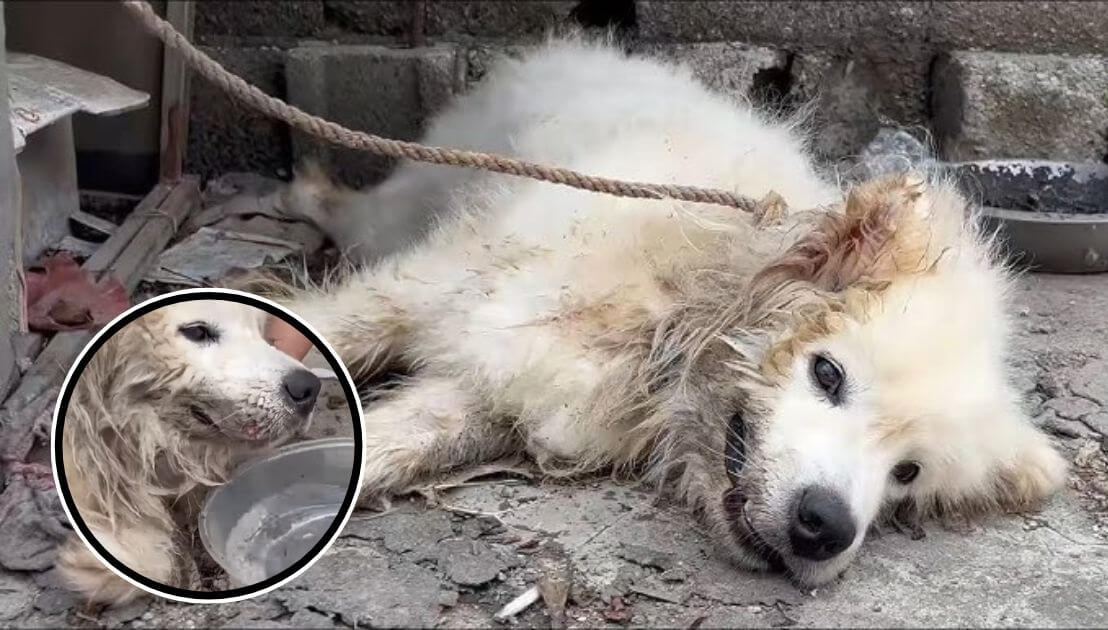
She was once the center of a little boy’s world.
A puppy who followed him everywhere, curled beside him for naps, and barked for the same affection she had always received. Their bond was easy, natural, and warm.
But as the boy entered the pressure-filled years of school exams, daily study routines replaced childhood play.
The dog who had grown up beside him suddenly had less attention, less reassurance, and less space in the home. Her soft nudges and calls for connection, once welcomed, began irritating the boy’s father.
Tension inside the household was rising — and behind it was a truth many abuse cases share.
Pets often become targets long before anyone else sees the signs.
When Stress Turns Violent — How Abuse Quietly Begins
Animal-welfare specialists have tracked patterns in homes where conflict simmers beneath the surface.
According to the VeterinaryPartner (VIN) discussion on the link between animal abuse and domestic violence, pets may be harmed when adults redirect anger they struggle to control toward the safest, most powerless victim in reach.
For this dog, barking was not misbehavior. It was confusion, longing, and a plea for the affection she once received daily.
But in an atmosphere charged with stress, her attempts to reconnect became the spark for something far worse.
A Bond Shattered — And a Lie That Hid the Truth
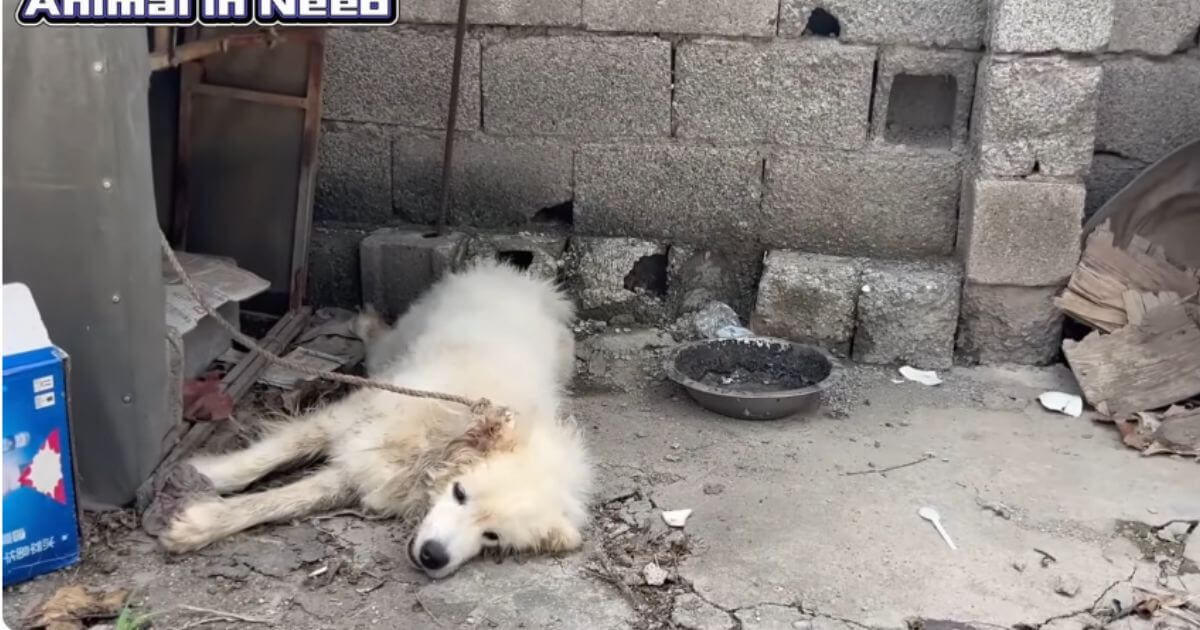
Her bond with the boy had been effortless for years. They played in courtyards, shared treats, and rested side by side. Nothing suggested danger.
That changed the day his exam results disappointed the father.
In a burst of anger, blame fell on the dog — a twisted accusation that she had “distracted” the boy from his studies. Out of sight, the father began striking her repeatedly. The violence escalated until her small body struggled to stand or even move.
Then came the lie.
He told his son she had “run away,” hiding the fact that he had arranged to sell her to dog-meat traders.
Why Abused Dogs Often Go Silent
Her silence confused neighbors. She didn’t cry, snarl, or resist. She simply shut down.
The VIN resource on fear-related behavior explains that abused dogs often retreat into a “freeze” state — staying completely still and quiet when they sense the next blow is coming.
This isn’t obedience.
It’s fear lodged deep in the nervous system.
The MSD Veterinary Manual’s section on behavior problems adds that harsh punishment creates long-lasting anxiety, withdrawal, and emotional instability in dogs.
Her stillness was not calmness.
It was trauma speaking through silence.
Sold Off — And Saved in the Last Moment

A neighbor who had watched her condition deteriorate over days refused to ignore the signs. When she heard the father planned to sell the dog, she urgently contacted the rescue group PawsFlare.
What rescuers found stunned them.
The dog lay tied to a post, barely breathing. Her head hung low, her limbs limp. She could no longer lift herself.
Even then, the father demanded money to release her.
The rescuers paid it, knowing her life depended on every passing minute, and rushed her to the nearest clinic.
What Blunt-Force Trauma Does to a Dog’s Body
Veterinary forensic analysis has long documented how violent strikes leave predictable and devastating injuries.
A study published in Veterinary Forensic Pathology details how blunt-force trauma leads to muscle tearing, bone fractures, and internal bleeding — hallmark injuries in severe abuse cases.
At the clinic, veterinarians confirmed the worst:
Her vertebrae had been damaged, leaving her partially paralyzed.
The MSD Veterinary Manual explains that spinal trauma can compress or stretch the spinal cord, disrupting a dog’s ability to move or feel depending on where the impact occurred.
She also showed signs of dehydration and widespread muscle trauma.
Survival was far from guaranteed.
Inside the Treatment Room — A Fight Measured Hour by Hour

Doctors moved fast — IV fluids, antibiotics, nutrients, pain relief. Her temperature was unstable. Her breathing uneven.
What surprised the medical team was her instinct to reach out when a hand approached. Even in agony, she tried to lean against any source of kindness.
Trauma specialists say this is common.
The PetMD guide on emotionally traumatized pets notes that even severely abused animals may gravitate toward people for comfort when fear and isolation have overwhelmed them.
Her instinct to trust had survived what her body endured.
Why Recovery Takes Time — And What Progress Looked Like

Across the next several days, small movements signaled hope:
a flicker of her tail, a soft whine when nurses greeted her, an attempt to shift her weight.
Recovery from spinal injury isn’t quick or linear. The MSD Manual describes how dogs with this type of trauma often need therapy such as assisted walking or hydrotherapy and, in some cases, surgical intervention.
Her rescuers understood the path ahead would require months of care, but her resilience pushed them forward.
Why This Story Matters Far Beyond One Dog
Animal abuse rarely occurs in isolation.
Data from the Humane Society’s Pets by the Numbers report shows that millions of animals enter shelters across the country every year, many displaying signs of neglect or physical harm.
The dog rescued that day is one of countless victims who endure violence in silence — their suffering noticed only when someone decides not to look away.
Her survival underscores the impact that a single concerned neighbor, a call to a rescue team, or a moment of intervention can make.
How to Recognize — and Report — Animal Abuse
According to the ASPCA guide to recognizing cruelty, warning signs may include:
- Visible injuries left untreated
- Sudden weight loss
- Limping or difficulty standing
- Confinement to small or dirty spaces
- A pet showing extreme fear of a specific person
- Swelling, marks, or wounds
- A dog disappearing after household conflict
If abuse is suspected, experts recommend:
- Contacting local authorities or animal control
- Reporting concerns to a registered shelter or rescue
- Safely documenting visible signs
- Avoiding any direct confrontation with the abuser
These steps save lives — often long before a case becomes visible.


Comments
Post a Comment