He Was Forgotten on a Chain for 5 Years. His Rescue Changed Everything
Every dog wants one thing — safety in the arms of the person who cares for them.
Ragnar never had that.
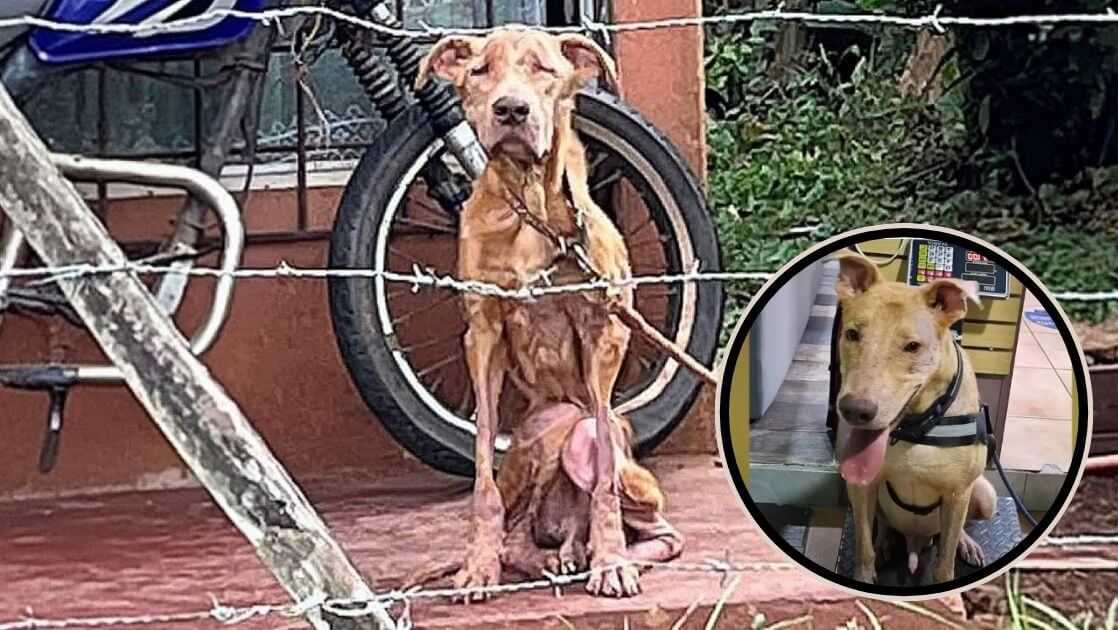
For five long years, he stood in the rain, chained and forgotten. His fur stayed soaked, his ribs stayed visible, and his eyes followed every passerby with quiet pleas he no longer expected anyone to answer.
He had stopped barking.
Stopped hoping.
Stopped believing the world held anything for him other than rusted metal and cold ground.
Ragnar’s reality is common for chronically chained dogs. Welfare groups warn that years on a tether expose dogs to harsh weather, untreated wounds, and isolation.
According to the SPCA New Zealand’s position on chained dogs, long-term tethering traps animals in conditions that block normal behavior, exercise, and social contact.
For Ragnar, those warnings were his life.
The Dog No One Stopped For
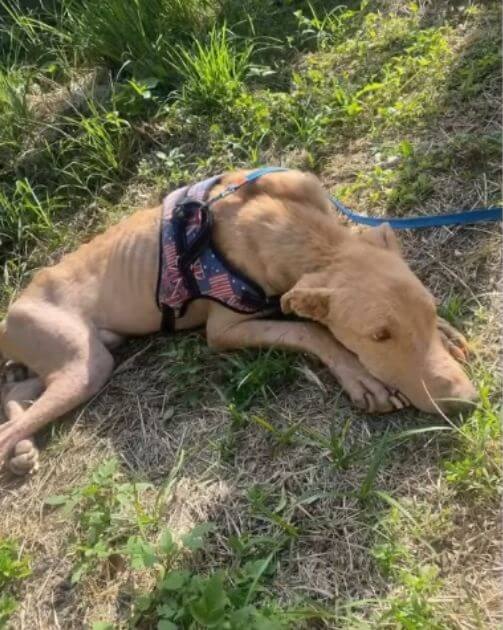
From the moment he was a puppy, Ragnar had never known freedom. His world began and ended at the length of a chain. He never ran across a yard, never curled up beside a human, never played with toys.
His “shelter” wasn’t a shelter at all — a piece of metal barely shielding him from rain or sun. His food came as scraps thrown his way. At some point, he stopped lifting his head unless he heard footsteps, praying this time someone would pause.
Strangers saw him.
But no one stopped.
Signs of Chronic Neglect Many People Miss
Dogs kept outdoors long-term often show:
- thinning or missing fur
- sores from lying on wet, hard ground
- stiff gait from lack of movement
- fear or frozen posture
- ribs and hips visible
- inflamed skin from parasites or allergies
Most people assume “someone must be caring for him,” but this is exactly how long-term neglect hides in plain sight.
The Day Everything Changed
When rescuers from @rescate_animal_ara arrived after receiving reports, Ragnar’s suffering was impossible to ignore. His body looked worn down by years of exposure. His eyes were hollow. His movements were weak.
This time, someone chose not to walk past.
They pulled the chain from the ground, lifted Ragnar’s trembling frame, and carried him to safety.
The owner now faces animal-cruelty charges.
When a Rescue Must Act Fast
Removing a dog isn’t simple. But when signs of cruelty are clear, responders often coordinate with authorities first.
The ASPCA’s guidance on reporting abuse explains that photos, exact location details, and accurate timelines help law enforcement act quickly.
In Ragnar’s case, documentation supported immediate intervention.
The Battle for His Life
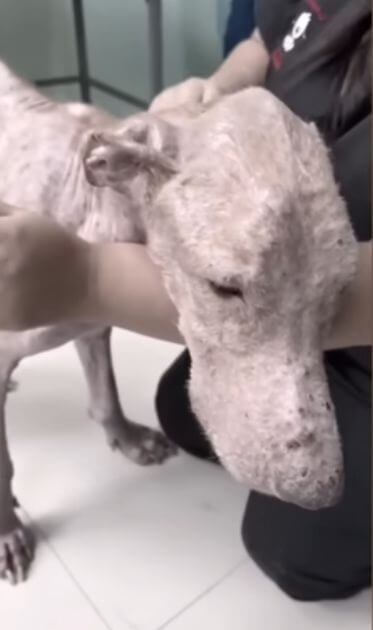
Freedom didn’t erase the damage. Ragnar’s condition was worse than anyone expected.
His fur fell out in clumps.
His skin was raw.
Years of starvation had taken his muscle mass.
And his spirit was hollow — as if he had forgotten how to react.
Veterinarians tried multiple approaches: medication, baths, antibiotics, nutrition therapy. Each time, his skin improved briefly, then erupted again. His body had been in survival mode for too long.
His emotional state reflected the same.
He didn’t wag his tail.
He didn’t respond to gentle voices.
He didn’t know how to accept kindness.
Why Some Dogs “Shut Down” After Long-Term Cruelty
Canine behavior experts refer to this as learned helplessness — a state where a dog stops trying because nothing they did ever changed their situation.
As explained by Canine Principles, dogs exposed to chronic stress or pain with no escape can develop a passive, withdrawn response. They don’t fight. They don’t flee. They freeze.
Ragnar wasn’t a “difficult dog.”
He was a dog who had lost hope.
Why Long-Term Starvation Is Hard to Reverse
Severe malnutrition creates medical danger even after rescue. The University of Wisconsin Shelter Medicine Program notes that starved animals must be re-fed slowly to avoid electrolyte crashes. Their organs, immune systems, and skin barriers often struggle to rebound.
Ragnar’s stalled progress made sense. His body was fighting years of damage.
When Science Meets Love
After months of uncertainty, Ragnar met a specialist dermatologist who finally found the truth: he had a rare, complex skin disorder that routine treatments couldn’t solve.
The only solution was extraordinary — a stem cell transplant from another dog.
The procedure was risky and emotionally heavy. The search for a donor took time. But the science behind it offered hope. A review on PubMed explains that stem cell therapy in veterinary dermatology can support immune modulation in severe immune-mediated skin conditions.
Ragnar needed that chance.
When the transplant happened, everyone held their breath.
And slowly… his body responded.
His skin calmed.
His fur began returning.
His frame filled out.
His eyes lifted.
His tail moved — gently at first, then with true joy.
This was the moment he chose to come back to the world.
Where He Belongs
Ragnar was never listed for adoption.
He already had a family — the same people who stayed with him through every setback, who funded appointments, who brought food, who whispered to him when he looked away.
When he healed enough, they brought him home permanently.
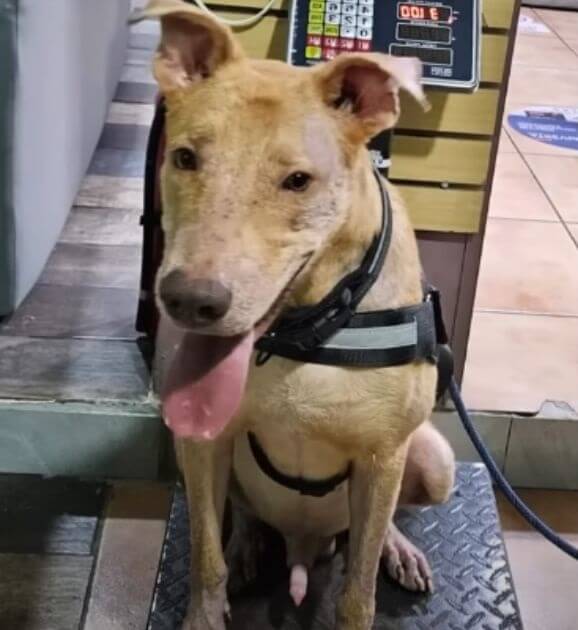
Today, Ragnar has soft blankets, warm hands, full meals, and the kind of safety he had never imagined. He runs. He plays. He stretches out on the floor without fear.
His life is finally his own.
Why Home Care Changes Everything
Research from Arizona State University found that even short-term fostering reduces cortisol and improves rest in shelter dogs. Calm environments help dogs like Ragnar rebuild emotional stability, learn routines, and form attachments.
Trauma breaks in silence.
Love repairs in silence too.
Why Ragnar’s Story Matters
Ragnar’s survival isn’t just a personal triumph — it speaks to a wider crisis. According to Shelter Animals Count, millions of animals every year are victims of abuse or neglect, and many cases go unseen.
Long-term chaining remains one of the most overlooked forms of cruelty. The Edmonton Humane Society’s position statement on tethering describes chained dogs as more likely to suffer psychological distress, aggression from frustration, and poor health from exposure.
Ragnar lived this reality for five years.
He’s one of the lucky ones who got out.
Also check out these rescues:
Chained for Years, Now Free: Maximus’ Emotional Recovery Story
A Puppy Covered in Tumors at Just 1.5 Years Old — His Fight to Live Stunned Rescuers
How You Can Help a Dog Like Ragnar
People often believe rescue work is out of their reach. But small actions create turning points:
- Capture photos or video when you see suspected cruelty
- Share the exact address when reporting
- Contact local animal control or police
- Learn the tethering laws in your area
- Support rescues with supplies or donations
- Volunteer to transport or foster
- Speak up when an animal looks distressed
Your voice may be the only one that dog has.
Love Loud Enough to Break Every Chain
Love Loud Enough to Break Every Chain
Ragnar’s past was filled with rain, hunger, metal, and silence.
His present is filled with blankets, laughter, and hands that show him he matters.
He sleeps without fear. He wakes without pain. He runs without restraint.
He was forgotten for five years.
He will not be forgotten again.
Every chained dog is waiting for someone to stop.
Ragnar’s story reminds us why stopping matters.


Comments
Post a Comment